BIRDER

BIRDER

Friday, October 10, 2014

A weekend with the Devil


The Eyre Peninsula in South Australia is a great place to visit. Large stands of old growth mallee from Kimba across to Iron Knob and through to Whyalla  is home to some excellent bird species along with exciting reptiles and mammals.
I spent a couple of days exploring the Middleback Range between Whyalla and Kimba. I unexpectedly ran into my friends Dave and Sue who had also planned a weekend here so that was a very pleasant surprise and it was one of the most social weekends I’ve had in a long time.  Although the weekend was very windy, which made birding difficult we were still able to locate the areas specialities, Blue-breasted Fairy-wren and Western Yellow Robin, along with Pipits who were very active in the heat of day, Yellow-rumped Thornbill and Slender-billed Thornbill who favoured saltbush areas as well as one of the mallee's most precious jewels, Splendid Fairy-wren.


Blue-breasted Fairy-wren
 

Western Yellow Robin
 

Australasian Pipit


Yellow-rumped Thornbill


Yellow-rumped Thornbll


Splendid Fairywren


Splendid Fairy-wren


Sue and Dave


Old growth mallee as far as you can see


Reptiles were the main highlights for me over the weekend. This area is well known for Peninsula Dragon. A trip to Secret Rocks provided great views of both the well coloured male and the plainer female.
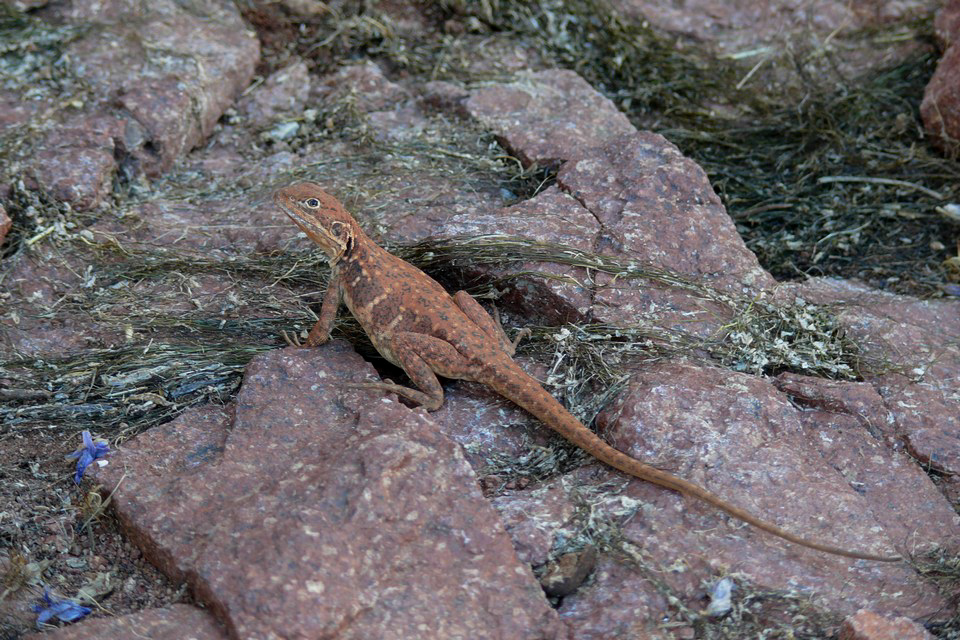
Gravid Female Peninsula Dragon
 
 
Peninsula Dragon - female
 
 
Peninsula Dragon - Male


Crested Dragon, which are also known as Bicycle Lizard because they stand up and run on their hind legs when disturbed were seen basking on the side of the track.
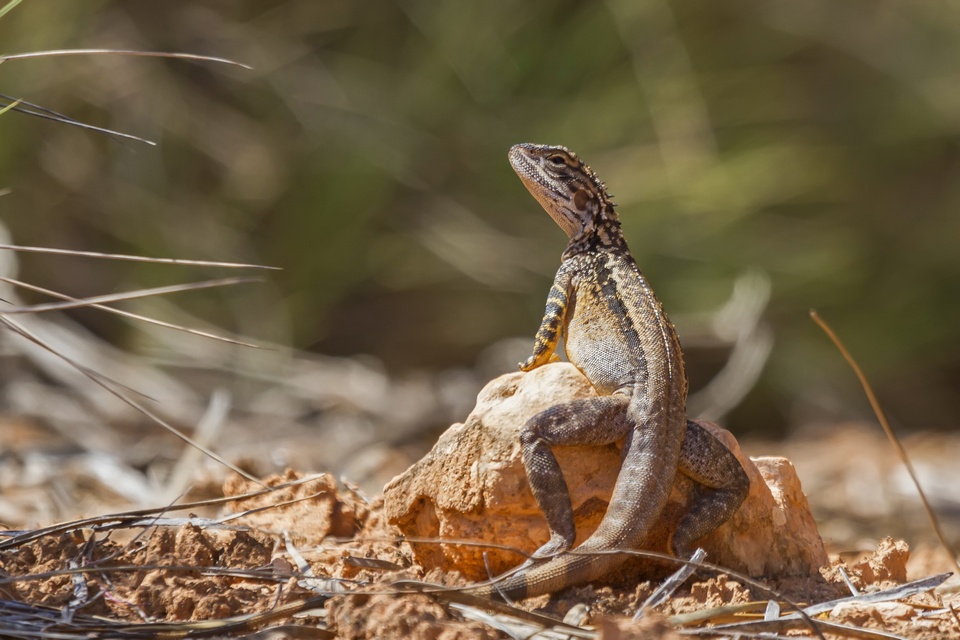
 
Crested Dragon


Mallee Military Dragon favour the old growth mallee and are dwarfed by the Common Bearded Dragon. 

 
Common Bearded Dragon
 
 
Bearded Dragon climb saltbush to sunbake
 
Western Blue-tongue Lizard


Sand Goanna were seen in a few locations especially in Spinifex dominated understorey.

 
Sand Goanna


I had driven back to Whyalla when I received an sms from Sue stating they had seen my most wanted target species – Thorny Devil, so the following morning I returned again to Middleback Range searching a 30km stretch of mallee in the hope of finding one for myself. Thankfully I was successful. 

 
Moloch horridus - Thorny Devil - also known as Thorny Dragon


This species have a fake head behind their real head, if a predator approaches they bend their real head forward leaving the fake head in its place!


Thorny Devil look prehistoric


To say I was STOKED would be an understatement!  This gorgeous reptile has the unfortunate name of Moloch horridus which I think is rather unkind. Interestingly though, this is the only species in the Genus Moloch.
 
If you look closely it’s head resembles the prehistoric Triceratops! These amazing creatures move very slowly, they only eat ants, up to 5000 of them a day! They conserve energy by waiting for the ants to come to them and then use their tongue to catch them.

 I drove the 7 hrs back to Adelaide a VERY happy camper! Thank you Sue and Dave for encouraging me to get back out there to search – weekend made!!
 
Getting out and about on weekends is definitely worth it. It really is amazing what you can fit into a weekend and what you can find within a days drive from home, so go on, what are you waiting for? GET OUTSIDE and start looking!!

Saturday, September 27, 2014

Spring has Sprung


You don't have to travel far to find birds, just go to your local park, wetland or even sit outside in your back yard! They will come to you. It is spring and the birds are breeding, love is in the air and there is a lot of activity going on. They are building nests, eggs are hatching and little birds need to be fed by exhausted parents.

It was warm and sunny today so I decided to head to the local wetland for a little while.


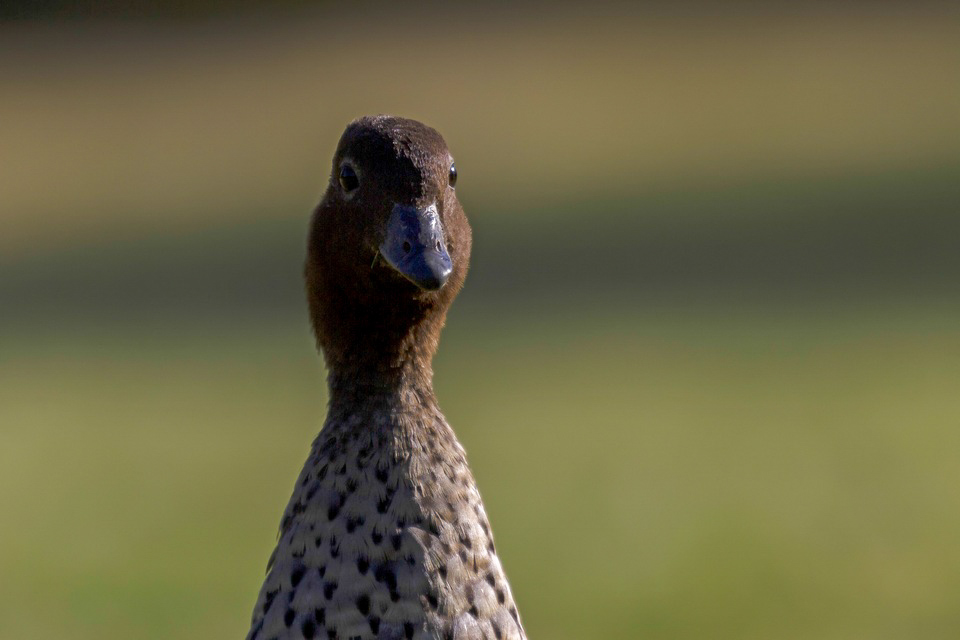
The Australian Wood Ducks were busy with lots of young about. One pair had 14 ducklings keeping them busy.


Australian Wood Duckling


Australian Wood Duckling


Australian Wood Duck keeping guard


Australian Wood Duckling
 
 
Look closely and you can see razor sharp edge to the bill. Don't get to close to the ducklings or he will pounce! Ha ha ha


There was a fairly tame Hardhead on the pond along with plenty of Pacific Black Duck.


Hardhead


Hardhead - also sometimes called White-eyed Duck but note only the male has a white eye!


So, what are you waiting for? Get yourself a note book, bird field guide and a pair of binoculars and get yourself outside! See how many different birds you can find!


Sunday, September 21, 2014

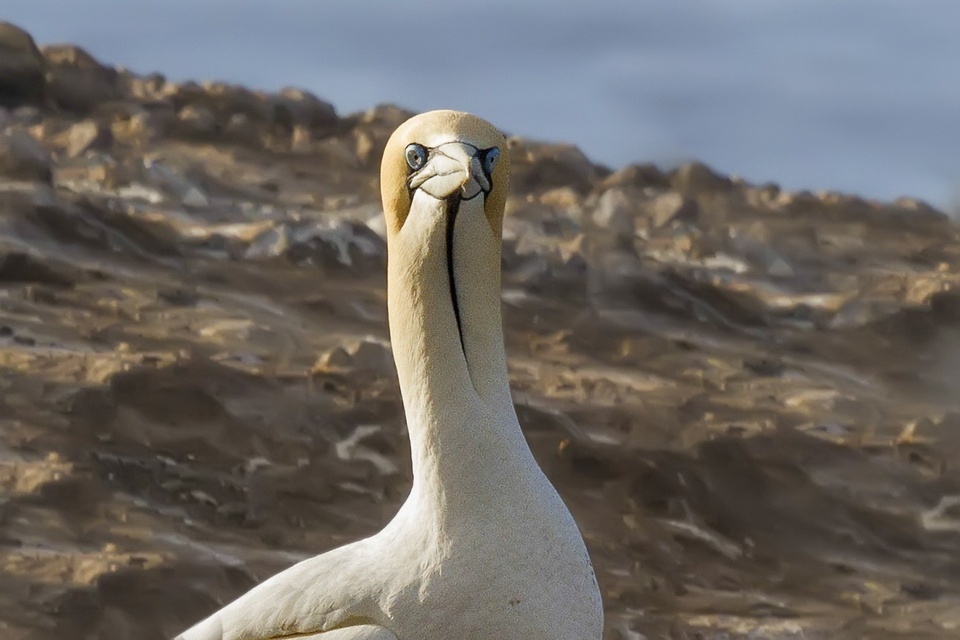
Cape Gannet in Australia - or how to play Wheres Wally!


When my friends invited me to meet them at the Gannet Colony in Portland Victoria on Saturday morning to have another crack at ticking the lone Cape Gannet how could I refuse?

So, on Friday evening I left Adelaide, SA and drove through the night.
 
Just after 6am my friends Rob and John arrived and we started searching. The next thirty minutes was like playing Where’s Wally to spot the almost identical Cape Gannet from the thousands of Australasian Gannets, having to pain-stakingly wait for each bird to lift it’s head to check for the distinctly longer black, featherless gular stripe, stretching from the base of the lower mandible down to the middle of the throat as well as checking for the all black tail.

Finally we had success, Rob got the bird in the scope and we got great views and photos- hi fives all round!  My other birding mate arrived and was able to get straight onto the bird so we were all very happy!
 
The bird stayed around for about 30 minutes before flying out to sea to go fishing for the day oblivious to the small group of dancing birders nearby!


Thanks to Rob, John and Bernie for convincing me to make the journey!


With the bird ticked all was well in the world once more until I realized I then had to drive all the way back to Adelaide again…. This time I broke up the journey, got some sleep and then did some birding around Bool Lagoon in South East SA which is always worth a visit!


Australian Reed-warbler
 

White-browed Scrubwren


Swamp Harrier
 

Swamp Harrier


Swamp Harrier


Monday, September 8, 2014

Citrine Wagtail -To twitch or not to twitch - it's not even a question!

When the call went out that there was a Citrine Wagtail in Australia I was stuck - literally. I was on my way to Tassie to go  out on a pelagic. I received 3 messages from other obsessed twitchers "THERE IS A CITRINE WAGTAIL IN MUDGEE" they cried! I KNOW I cried back, in anguish....

"PARKIN, are you on your way?"  -" No" I sobbed, "I'm heading in the opposite direction" I mumbled pathetically, hardly believing I was saying it...

Steadily my mates sent me details, and, to rub it in, they regaled me with photos as one by one they made the pilgrimage and collected their photographic trophies. I, meanwhile, had my trip to Tassie, which was great, but I kept thinking about the wagtail, I simply had to see it!

But, my holidays were over and  I had to return to work to pay for my birding adventures, there was no time left to squeeze in the trip. I was defeated....


I walked into my office on my first day back to work and my boss greeted me happily, "BIRDER, welcome back"!! Are you refreshed and relaxed after 3 weeks off"?
 "NO" I exclaimed, "There's a Citrine Wagtail in Mudgee, a first for mainland Australia" I cried in despair.
 "OK" she said "when do you need to leave? You have to get on a plane! Go book your ticket, you have to get the bird!!!!"

WOW! Was she serious? YES, she understands the importance of a vagrant! I'll convert her to birding yet!  THANK YOU most patient and understanding boss! Ticket booked immediately!

A flight to Sydney, some helpful details from a birding mate who had already twitched the bird and 4 hr drive later I was at the local wetland in Mudgee NSW - it was the middle of the night  and it was FREEZING!

I waited for the sun to rise and by 6am Saturday I had the bird. What an exquisite little bird, happily feeding in the mud. 1200 photos later and I was ecstatic!


Citrine Wagtail


I met up with my mate Grant and while enjoying the bird we discovered why there were so many snake warning signs in the area. Sitting on the grass photographing the wagtail Grant heard a noise behind us and turned to see a Red-bellied Black Snake less than one metre behind us sliding straight towards us! He jumped up which made the poor little snake realise we were there and it changed direction and disappeared.

The wetland birding was great but I failed to really take many shots other than of the wagtail.


Australasian Shoveler


We left about 11am ready for breakfast very happy with our morning birding at the wetland.


The next morning I looked around Blue Mountains National Park and in Blackheath found some lovely Rockwarblers.


Not exactly ideal weather for photography


Even though it was foggy and rained non-stop I was able to get some photos as I sat on the ground in a puddle. The bird I was photographing was calling to its mate. The mate replied, it sounded close to me so I turned my head and realised it was actually sitting on my foot! Too close to get a shot!


Rockwarbler


The area had a Superb Lyrebird as well who gave me a great performance of it's various calls.


Superb Lyrebird in the fog


A very successful weekend with Citrine Wagtail becoming my 709th bird on my Australian Life List!